


A child may first notice religion through food, clothes, festivals, prayers, music or a friend who does something differently at home. They may wonder why one family lights candles, another avoids certain foods, or someone misses school for a celebration they haven’t heard of before.
Those questions are worth welcoming. Learning about different beliefs helps children understand the people around them, and it can make unfamiliar customs feel less strange. The aim is not to tell children what to believe. It is to help them listen, ask respectfully and recognise that families may build meaning, comfort and identity in different ways.
It Helps Children Understand Their Communities
Most children meet people from more than one background long before they can explain what religion means. School friends may celebrate Eid, Diwali, Christmas, Hanukkah, Vaisakhi or no religious festival at all. Without gentle explanation, children may fill the gaps with guesses, and guesses can quickly become unfair.
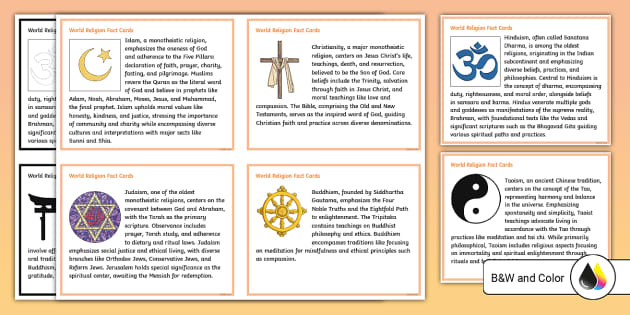
Start with the idea that religion can shape what people eat, wear, celebrate, read, sing and do each week. Some people pray, some go to a place of worship, some follow family traditions closely, and some are still working out what they think. If a child wants names and examples, a simple look at major religions around the world can help adults explain the basics without turning the conversation into a school lecture.
It Builds Respect Without Making Children Afraid to Ask
Children are naturally curious, and shutting down questions can make differences seem awkward. If a child asks why someone wears a hijab, why a classmate doesn’t eat pork, or why a family has a shrine at home, a plain answer works better than embarrassment. You can say that families have beliefs and traditions that matter to them, and we speak about those things kindly.
Respect does not mean children must pretend every belief is the same. They can learn that people disagree, worship differently or follow different rules while still treating each other well. In a home where Foster Care Associates Scotland is part of a child’s support network, religion may also connect with identity, family memories, food, festivals or contact with relatives, so adults need to leave room for what already matters to the child.
It Makes Festivals and Traditions Feel More Meaningful
Children often enjoy the visible parts of religion first, such as lights, special clothes, music, decorations and food. Those details are a good doorway, but they shouldn’t be the whole lesson. A festival is more than a craft activity or a snack at school.
If children learn why a celebration matters, they are more likely to remember it with care. Candles, family meals and songs make more sense when children hear how Hanukkah traditions and the Festival of Lights connect with memory, faith and belonging. The same approach works with other festivals. Talk about the people, stories, values and family routines behind what children can see.
It Supports Empathy and Better Conversations
A child who has learned about several religions is less likely to treat difference as a surprise every time it appears. They may understand why a friend is fasting, why someone needs time away for prayer, or why a family has rules around food, clothing or holy days. That understanding can reduce awkward comments and help children become better hosts, guests and classmates.
Parents can keep the conversation grounded by using books, museum visits, local events and everyday questions. If a child says something clumsy, correct it without turning the moment into shame. Try saying, “That might hurt someone’s feelings. Let’s ask it a different way,” then give them the words.
As children grow, they can handle more detail about history, belief, disagreement and identity. They don’t need every answer at once. They need adults who are willing to explain, admit what they don’t know and show that curiosity and respect can sit together. Learning about religion gives children a wider view of the world, and it helps them meet other people with more thought and less fear.