








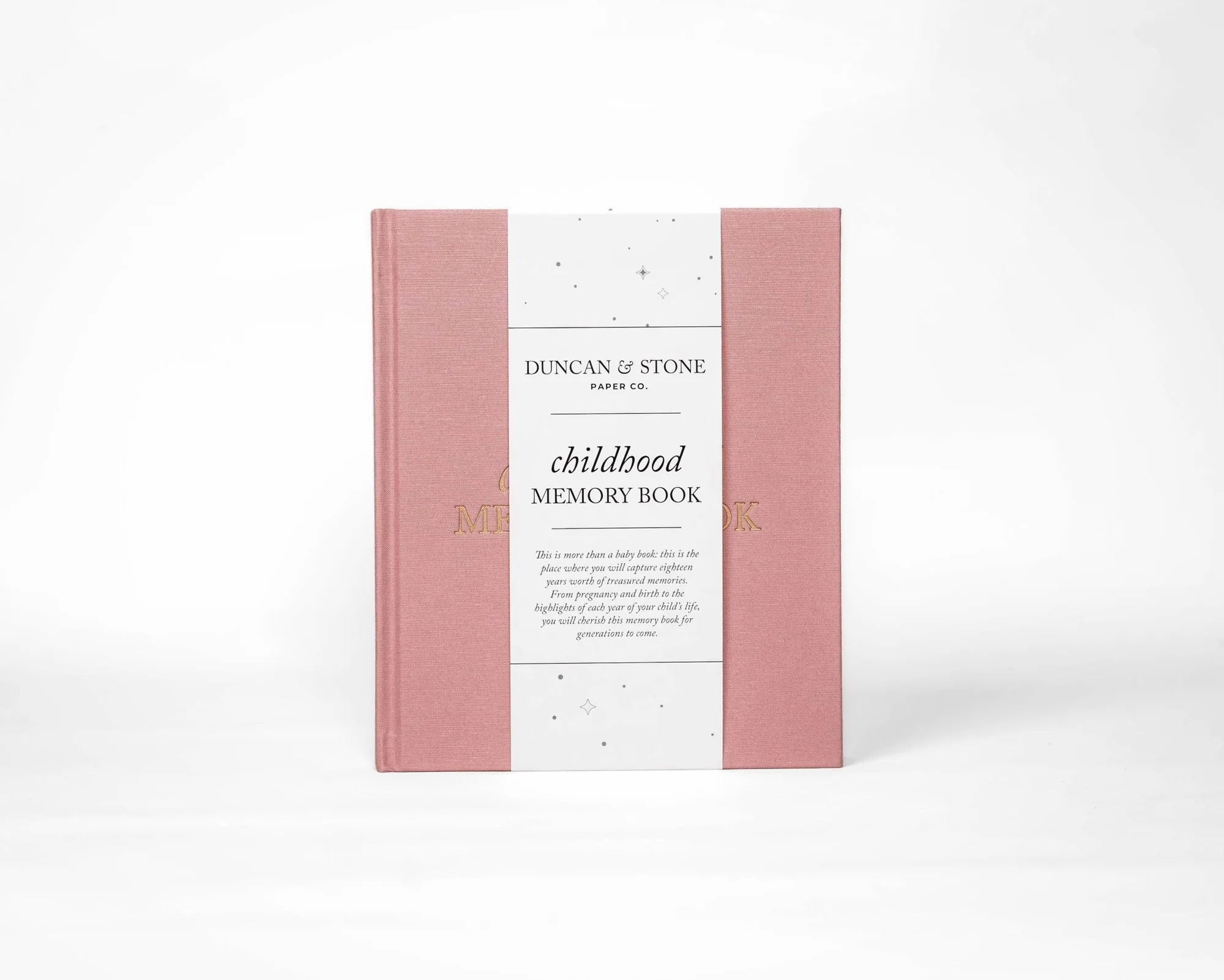
The first year of a child’s life passes faster than any parent expects. One moment you are counting tiny fingers and toes in the delivery room, and the next you are watching your baby take their first unsteady steps. In between those two milestones lies an entire world of small, irreplaceable moments — and most of them slip away without a trace.
That is why preserving the memories of your baby’s first year is one of the most meaningful things a parent can do.
Why the First Year Is Unlike Any Other
The first twelve months of a child’s life are filled with rapid, remarkable change. Your newborn grows into a curious, laughing, communicating little person in what feels like the blink of an eye. The tiny face that stared up at you on day one looks different by week four. The baby who could barely lift their head will eventually be pulling themselves up and exploring every corner of your home.
Each of these changes is beautiful — and each one is fleeting. Without some form of intentional preservation, even the most vivid memories begin to fade. Parents often describe the experience of looking back at early photos and being surprised by how much they had forgotten.
This is what makes keepsake-keeping so valuable. It is not simply about nostalgia. It is about holding onto the truth of who your child was in those earliest, most precious days.
Starting From the Very Beginning
Many parents assume that memory-keeping begins at birth. In reality, some of the most meaningful moments happen even earlier.
Pregnancy itself is full of experiences worth documenting. The first time you heard your baby’s heartbeat. The moment you saw your baby move on an ultrasound screen. The quiet evenings spent wondering what your child would look like, what they would love, and who they would become.
Documenting these moments — through journal entries, photographs, and 3D 4D ultrasound images — creates a fuller picture of your child’s story. It reminds both parent and child that the love and anticipation began long before the first hello.
The Power of Simple, Consistent Documentation
The best keepsake collections are not necessarily the most elaborate. They are the ones that were kept consistently over time.
A simple notebook where you jot down small observations each week can become an extraordinary record. What did your baby notice today? What made them laugh? What new sound did they make? These small details feel ordinary in the moment but become extraordinary over time.
Photographs work the same way. You do not need professional lighting or expensive equipment. What matters is that you are capturing real moments — the morning light on your baby’s face, the way they fall asleep mid-feed, the expression they make when they taste something new.
Consistency is far more valuable than perfection.
Choosing the Right Format for Your Family
There is no single correct way to preserve memories. The best format is the one that you will actually use and return to over the years.
Some parents love the tactile experience of a physical memory book — something they can hold, flip through, and pass down. Others prefer the convenience of a digital collection that is always backed up and easy to share with grandparents and extended family.
Many families find that a combination of both works well. A physical book for the moments that deserve to be touched and held, and a digital album for the everyday photos that accumulate by the hundreds.
Whatever format you choose, the goal is the same: to create something that can be revisited and shared.
Involving the Whole Family
Memory-keeping does not have to be a solo effort. Grandparents, aunts, uncles, and close friends all carry their own perspectives on your baby’s early days.
Inviting others to contribute — a short letter, a photograph, a written memory — adds richness and depth to your collection. Your child will one day treasure knowing how they were seen and loved by so many people from the very beginning.
These contributions also preserve voices and perspectives that might otherwise be lost over time.
The Memories That Matter Most
When parents look back on their children’s earliest years, it is rarely the major milestones that move them most deeply. It is the small, unremarkable moments. The way a baby smelled. The sound of their breathing in a quiet room. The warmth of holding them when the rest of the world was asleep.
These are the moments that are hardest to capture — and the ones most worth trying.
A memory book, a photograph, a recorded voice note, a written observation. None of these things will fully recreate the experience. But they will bring you closer to it than you ever thought possible.